

New Haven offers a unique blend of urban vibrancy, cultural richness, and educational excellence, making it an attractive destination for many.
The city of New Haven, renowned for its vibrant cultural scene, historical significance, and educational prominence, is a diverse and dynamic urban environment. For those considering a move to New Haven or relocating within the city, understanding its neighborhoods, real estate trends, and lifestyle offerings is essential. This in-depth guide focuses solely on New Haven, offering insights into its various districts and advice for prospective home buyers and renters.
Exploring New Haven’s Neighborhoods
New Haven’s neighborhoods each boast their own unique charm and character, catering to a wide range of preferences and lifestyles:
-
Downtown New Haven
Downtown New Haven pulsates with life, embodying the essence of urban living. The area is a hub for culture, education, and entertainment, boasting landmarks such as the historic Shubert Theater and the esteemed Yale University Art Gallery. Gourmet restaurants dot the landscape, offering a culinary tour from upscale dining experiences to casual, eclectic eateries. Shopping enthusiasts will find a range of options from chic boutiques to bookstores. Living downtown means being at the epicenter of activity, where everything from morning coffee shops to late-night music venues is just a stroll away. The housing landscape is diverse, featuring luxury apartments, historic lofts, and modern condos, catering to a range of tastes and budgets.
East Rock
East Rock, named after the ridge that forms its backdrop, is a serene residential area that has long been a favorite among academics, students, and families, largely due to its proximity to Yale University. The neighborhood is renowned for its Victorian homes, offering architectural beauty and a glimpse into the area’s rich history. East Rock Park, with its hiking trails, picnic areas, and panoramic views of New Haven, provides residents with a peaceful escape from urban life. The local schools are highly regarded, making it a sought-after location for families. Community life is vibrant, with local cafes, markets, and annual events fostering a strong neighborhood spirit.
Wooster Square
Wooster Square is the heart of New Haven’s Little Italy, celebrated for its culinary heritage and the iconic cherry blossoms that frame the square each spring. This neighborhood is a gastronome’s delight, home to some of the city’s finest pizza and Italian cuisine, embodied by institutions like Frank Pepe Pizzeria Napoletana and Sally’s Apizza. The annual Cherry Blossom Festival is a highlight, bringing the community together in a vibrant display of culture and nature. The residential streets are lined with historic townhouses and apartments, offering a charming urban living experience that blends history with culinary excellence.
Westville
Westville is New Haven’s artistic enclave, where creativity and community converge. This neighborhood is known for its artsy vibe, with numerous artists’ studios, galleries, and the Westville Village ArtWalk—a testament to its vibrant local arts scene. The suburban feel, combined with the convenience of city living, makes Westville a desirable place for creatives and families. The area boasts a mix of housing options, from charming single-family homes to modern apartments, set against a backdrop of green spaces like Edgewood Park. Local businesses, from cozy cafes to eclectic shops, add to the neighborhood’s appeal.
Fair Haven
Fair Haven, with its rich tapestry of history and diversity, epitomizes the multicultural spirit of New Haven. This neighborhood offers picturesque views along the Quinnipiac River, enhancing its appeal with waterfront parks and recreational activities. Fair Haven is characterized by its strong community spirit, with a diverse population contributing to a vibrant cultural landscape. Affordable housing options are plentiful, making it accessible for first-time homebuyers and renters alike. The area is also known for its culinary diversity, with a range of international cuisines reflecting its multicultural makeup.
Each of these neighborhoods contributes to the rich mosaic that is New Haven, offering distinct lifestyles, cultural experiences, and community atmospheres. Whether you’re drawn to the bustling streets of Downtown, the serene beauty of East Rock, the culinary delights of Wooster Square, the creative pulse of Westville, or the multicultural vibrancy of Fair Haven, New Haven provides a dynamic backdrop to call home.
Real Estate Trends in New Haven
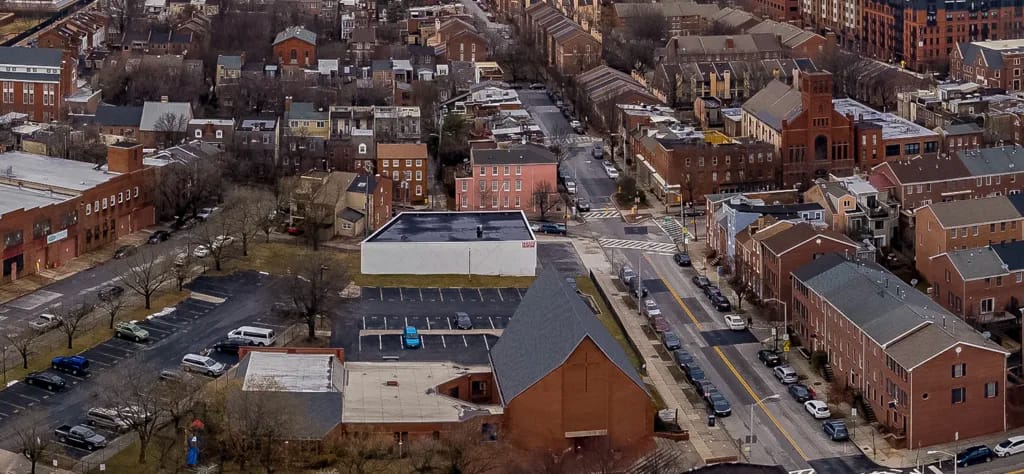
The real estate market in New Haven reflects the city’s growing appeal, with a steady demand for housing in both the rental and buying sectors. Urban revitalization efforts and the presence of Yale University continue to attract young professionals, academics, and students, fueling a vibrant rental market. Meanwhile, historic preservation and the development of new residential projects offer a variety of options for buyers.
Tips for Navigating New Haven’s Real Estate Market
-
Prioritize Location
Choosing the right location within New Haven is crucial and should align with your lifestyle and daily needs. If you’re someone who values a short commute to work or school, look into neighborhoods like Downtown New Haven or East Rock, which are close to major employment centers and educational institutions like Yale University. For those who appreciate green spaces and outdoor activities, areas adjacent to parks like East Rock or Westville, with its access to Edgewood Park, might be more appealing. Nightlife enthusiasts and foodies might prefer the vibrant streets of Downtown or the historic and culinary richness of Wooster Square. Assessing what aspects of your daily life are most important will help narrow down your neighborhood choices.
Stay Informed
The real estate market is always fluctuating, and staying informed about market trends in New Haven is essential for making a well-timed decision. This includes understanding current average prices, inventory levels, and how long properties typically stay on the market. Websites like Zillow, Realtor.com, and local real estate agencies’ sites provide valuable data and insights into the New Haven market. Additionally, reading local news outlets and real estate blogs can offer a broader perspective on the city’s development trends and economic factors influencing the market.
Explore Housing Options
New Haven’s housing market is diverse, offering a wide range of options from modern downtown apartments and condos to charming single-family homes in quieter neighborhoods. Each housing type comes with its own set of advantages and considerations, such as maintenance responsibilities for homes or homeowners association (HOA) fees for condos and apartments. Exploring these options involves not just looking at listings online but also visiting neighborhoods, attending open houses, and considering how the space, amenities, and community fit your needs. Reflect on your long-term goals, whether it’s investment, family planning, or lifestyle preferences, to guide your decision-making process.
Seek Professional Guidance
A local real estate agent who specializes in New Haven can be an invaluable resource. They have in-depth knowledge of the market, including insights into neighborhoods that best match your criteria and access to listings that may not be widely advertised. An experienced agent can guide you through the buying or renting process, offer advice on making competitive offers, and help negotiate terms. To find a reputable agent, consider asking for referrals from friends or family, researching online reviews, and interviewing potential agents to ensure they understand your needs and preferences.
Consider Future Developments
Being aware of planned developments or infrastructure projects in New Haven is crucial as they can significantly impact property values and the quality of life in different neighborhoods. For example, new commercial developments could enhance local amenities and increase property values, while certain infrastructure projects might affect the area’s tranquility. Information on future developments can often be found through the City of New Haven’s planning department, public records, or local news sources. Taking these developments into account can help you make a more informed decision about where to buy or rent, ensuring your investment is sound and aligns with your future expectations of the neighborhood.
By delving deeper into these aspects, you’ll be better equipped to navigate the complexities of the New Haven real estate market, making a well-informed decision that aligns with your personal and financial goals.
By delving into the characteristics of its neighborhoods and staying informed about the real estate market, you can make a well-informed decision that meets your needs and aspirations. Whether you’re drawn to the hustle and bustle of downtown life or the quiet charm of a residential district, New Haven has something to offer everyone.